
Modern Waiting Room Designs in the UK: Transforming First Impressions
Introduction to Modern Waiting Room Designs
The waiting room is often the first point of contact that visitors have with a business, making it a critical space in shaping a positive first impression. In the UK, modern waiting room designs are evolving to reflect more than just functionality; they're becoming integral components of brand identity and customer experience. This transformation is driven by a blend of aesthetics, technology, and comfort, ensuring that visitors feel welcomed and valued from the moment they step inside.
The Role of Aesthetics
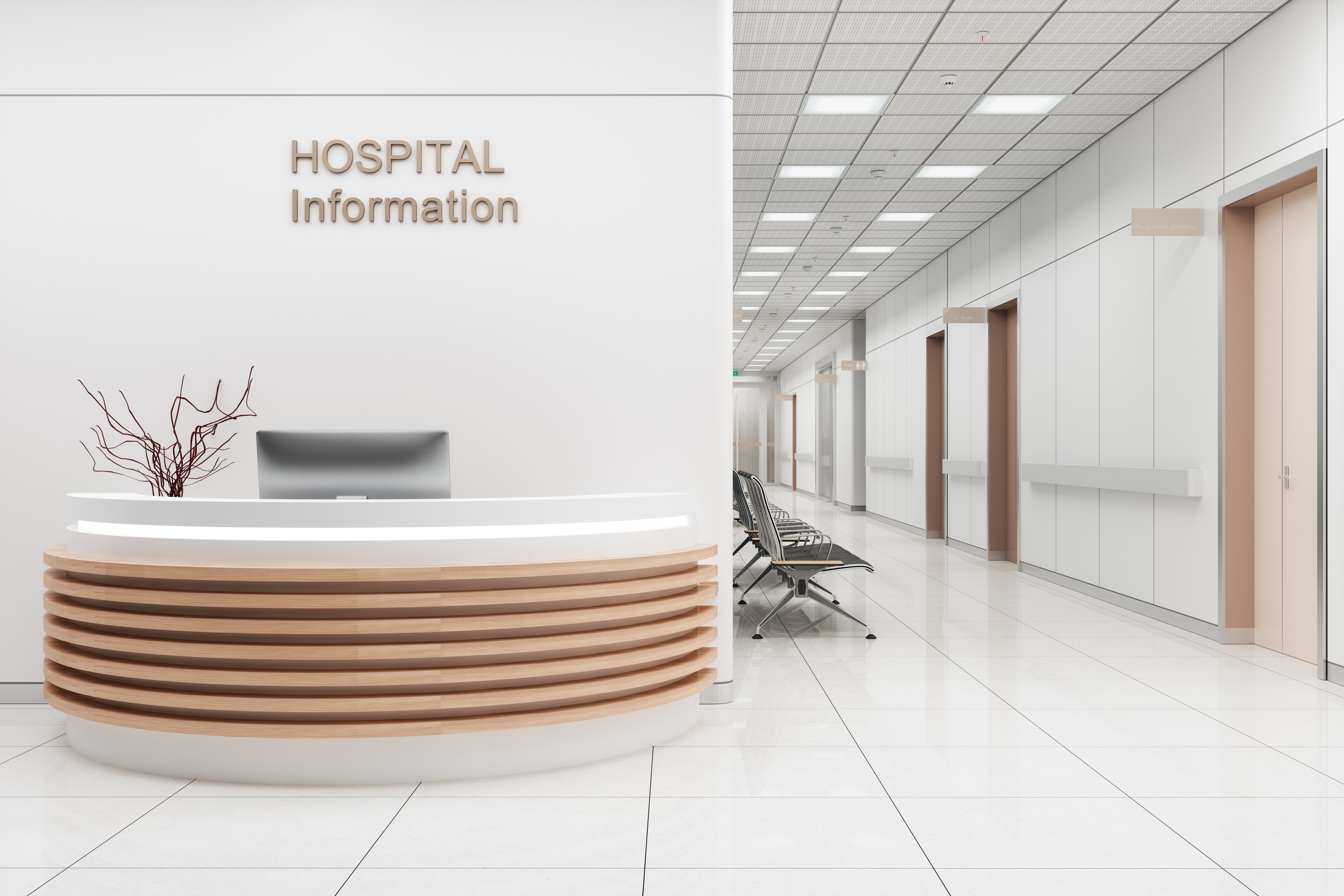
Aesthetics play a significant role in modern waiting room designs. The use of contemporary furniture, calming color schemes, and strategic lighting can create an inviting atmosphere. By incorporating elements like artwork, plants, and unique architectural features, businesses can convey their brand's personality and values. For instance, a tech company might opt for sleek, minimalist designs, while a healthcare facility may focus on creating a soothing environment with soft colors and nature-inspired elements.
Moreover, the integration of sustainable materials is becoming increasingly popular. Many businesses are choosing eco-friendly options such as reclaimed wood, recycled metals, and low-VOC paints to align with environmental values and reduce their carbon footprint.
Technology Integration
Incorporating technology into waiting room designs not only enhances functionality but also improves the overall visitor experience. Features such as digital signage can provide real-time information and entertainment, while interactive kiosks allow for seamless check-ins and appointment management. Free Wi-Fi access is now a standard expectation, enabling visitors to stay connected and productive while they wait.
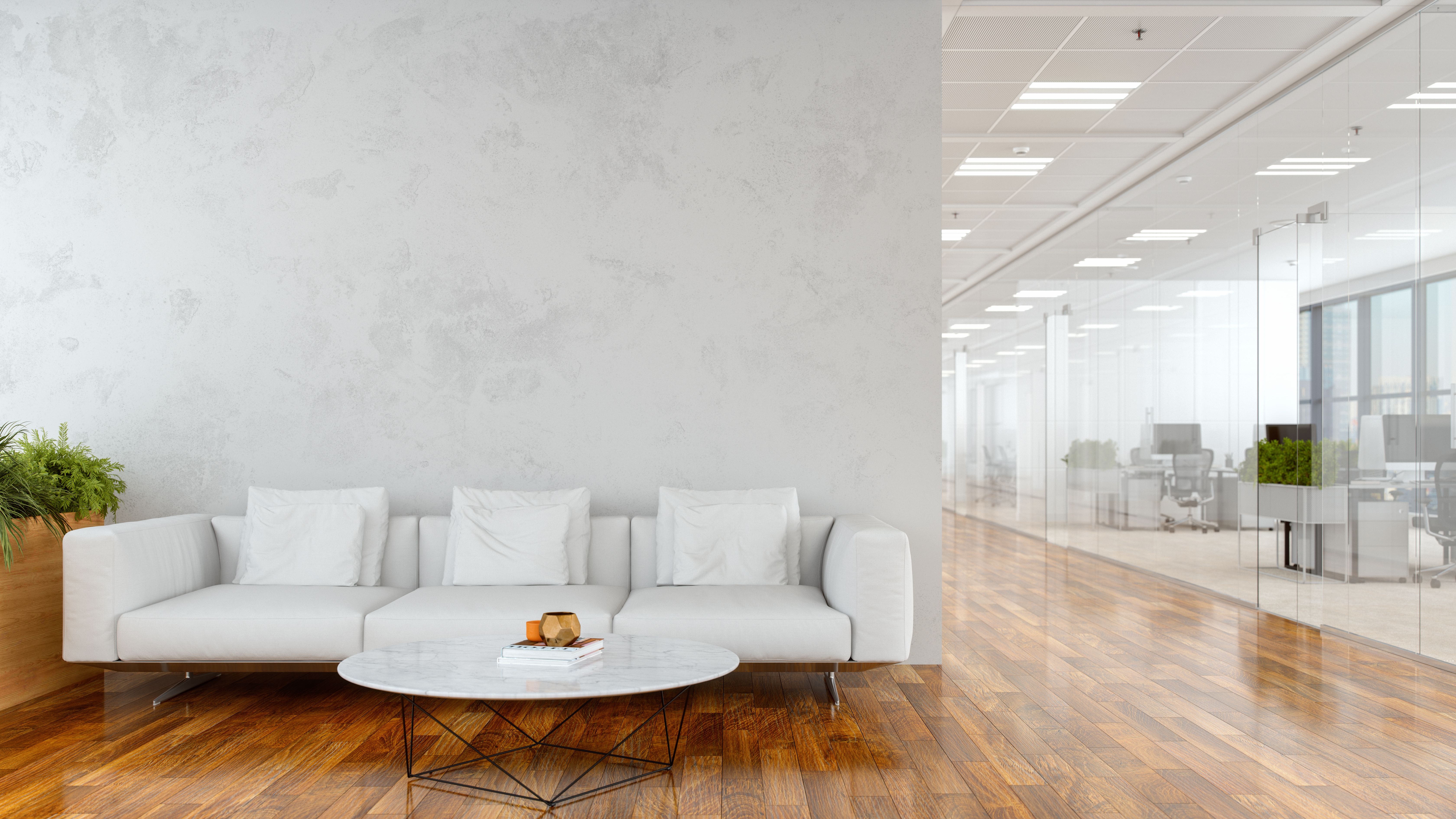
For businesses aiming to create a high-tech atmosphere, virtual reality (VR) displays and smart lighting systems can further elevate the experience. These technological advancements not only make waiting more enjoyable but also showcase a business's commitment to innovation.
Prioritizing Comfort and Accessibility
Comfort is key in modern waiting room designs. Comfortable seating options, such as ergonomic chairs and sofas with ample cushioning, ensure that visitors can relax while they wait. Additionally, providing a variety of seating arrangements—such as individual chairs, communal tables, and quiet corners—caters to different preferences and needs.
Accessibility is another crucial consideration. Modern waiting rooms should be designed to accommodate all visitors, including those with disabilities. This includes having wheelchair-accessible entrances, clear signage, and adequate space for maneuvering mobility aids.
The Impact on Customer Experience
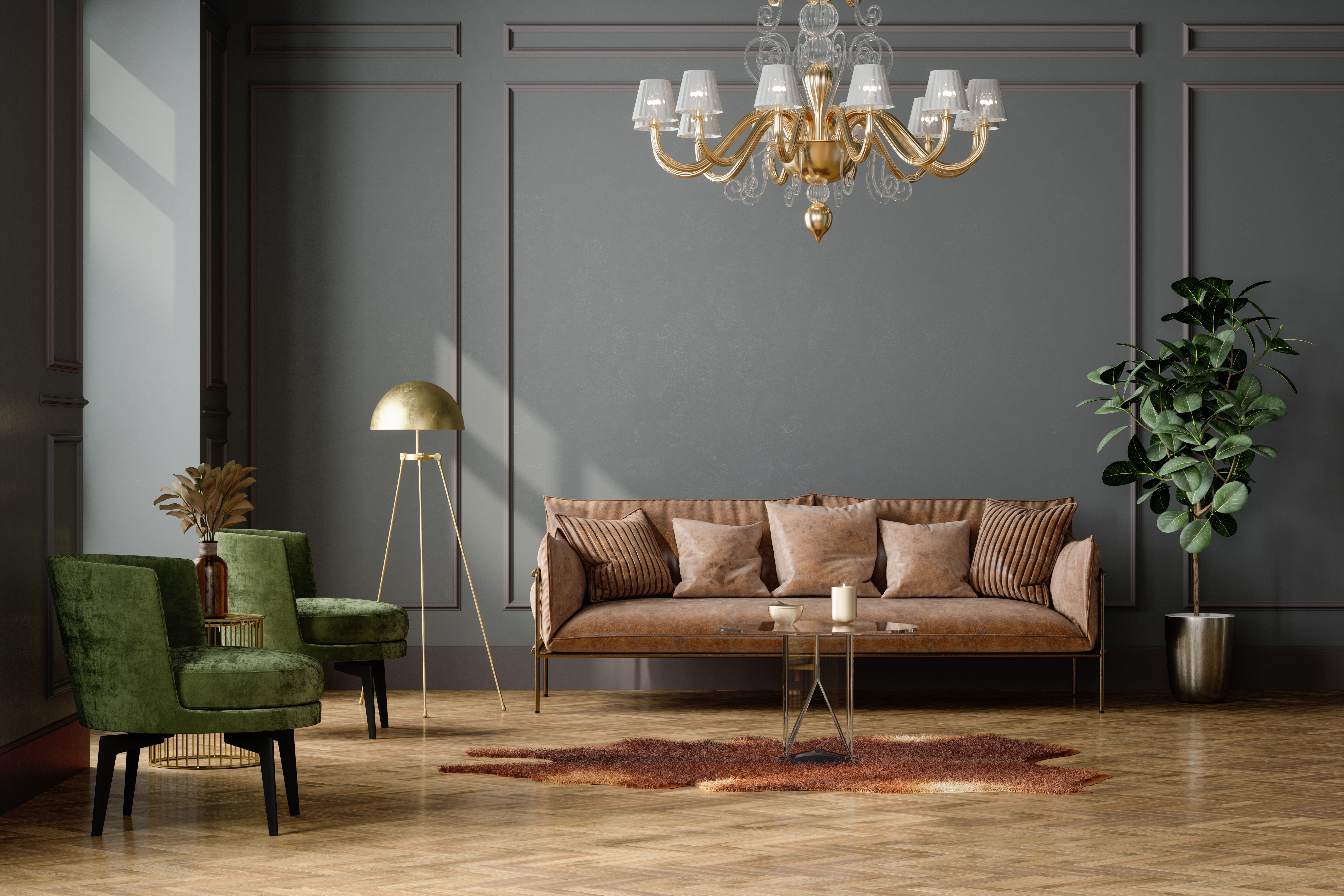
The design of a waiting room can significantly impact the overall customer experience. A well-designed space can reduce anxiety, increase satisfaction, and even improve perceptions of service quality. By creating an environment that reflects the company's values and prioritizes visitor comfort, businesses can foster positive associations and encourage repeat visits.
Furthermore, the ambiance of the waiting room can influence how visitors perceive wait times. Engaging design elements and accessible amenities can make time pass more quickly and pleasantly, leading to a more favorable impression of the business.
Conclusion
In conclusion, modern waiting room designs in the UK are transforming how businesses approach first impressions. By focusing on aesthetics, technology, comfort, and accessibility, companies can create welcoming environments that enhance their brand image and improve the overall visitor experience. As these spaces continue to evolve, they will undoubtedly play an increasingly important role in shaping the future of customer engagement.